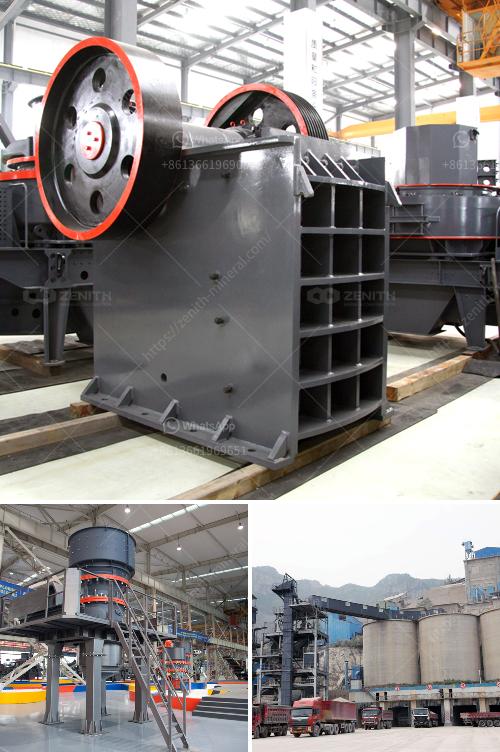
Measuring the production of a stone crusher involves several steps and considerations to ensure accurate and reliable data. Here’s a detailed guide on how to measure stone crusher production:
1. Define the Scope and Objectives
- Objective: Determine what you want to measure. Is it the total output over a period, the efficiency of the crusher, or the size distribution of the crushed material?
- Scope: Decide the time frame for measurement (e.g., daily, weekly, monthly).
2. Equipment and Tools Needed
- Weighing Scales: For measuring the weight of the crushed stone.
- Conveyor Belt Scales: Installed on the conveyor belts to measure the material passing through.
- Load Cells: Used in hoppers and bins to measure the weight of the material.
- Flow Meters: For measuring the flow rate of the material.
- Data Logging Systems: To record and analyze the data collected.
3. Measurement Methods
- Direct Measurement: Weigh the output material directly using scales. This method is straightforward but may not be practical for large-scale operations.
- Indirect Measurement: Use conveyor belt scales or load cells to measure the material as it moves through the crusher system.
4. Installation of Measurement Devices
- Conveyor Belt Scales: Install these on the conveyor belts that transport the crushed stone. Ensure they are calibrated correctly to provide accurate measurements.
- Load Cells: Place these in hoppers or bins where the crushed material is collected. They measure the weight of the material in real-time.
- Flow Meters: Install these at points where the material flow can be measured accurately.
5. Data Collection and Logging
- Automated Systems: Use automated data logging systems to continuously record the measurements from the scales, load cells, and flow meters.
- Manual Recording: In smaller operations, manual recording of measurements at regular intervals can be done.
6. Data Analysis
- Total Production Calculation: Sum the weights recorded over the measurement period to get the total production.
- Efficiency Analysis: Compare the actual production data with the expected output to determine the efficiency of the crusher.
- Size Distribution Analysis: If size distribution is a concern, use sieves or other methods to analyze the size of the crushed material.
7. Calibration and Maintenance
- Regular Calibration: Ensure that all measurement devices are regularly calibrated to maintain accuracy.
- Maintenance: Regularly maintain the measurement devices to prevent any downtime or inaccuracies.
8. Reporting
- Production Reports: Generate reports based on the collected data to provide insights into the crusher’s performance.
- Trend Analysis: Analyze trends over time to identify any changes in production rates or efficiency.
Example Code for Data Logging (Python)
If you need to automate the data logging process, you can use a simple Python script to collect and log data from the measurement devices. Here’s an example:
import time
import random

def read_conveyor_scale():
    # Simulate reading from a conveyor belt scale
    return random.uniform(100, 200)  # Replace with actual reading code

def log_data():
    with open('production_log.csv', 'a') as file:
        while True:
            weight = read_conveyor_scale()
            timestamp = time.strftime('%Y-%m-%d %H:%M:%S')
            file.write(f'{timestamp},{weight}
')
            time.sleep(60)  # Log data every minute

if __name__ == "__main__":
    log_data()
This script simulates reading data from a conveyor belt scale and logs it to a CSV file every minute. In a real-world scenario, you would replace the read_conveyor_scale function with actual code to read from your measurement devices.
By following these steps, you can accurately measure the production of a stone crusher, ensuring that you have reliable data to analyze and optimize your operations.