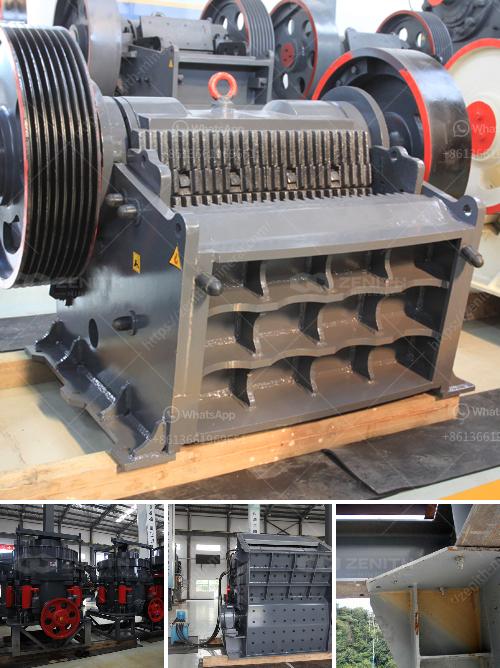
Creating a heavy vibrating sieve for mining in South Africa involves several technical steps and considerations to ensure efficiency, durability, and regulatory compliance. Here's a step-by-step guide:
1. Define Specifications
- Screen dimensions: Width, length, and depth based on the size of mining material.
- Throughput capacity: Amount of material to be processed per hour.
- Material type: Consider hardness, moisture content, and particle size distribution.
2. Design Considerations
- Vibration Mechanism: Decide between circular, elliptical, or linear vibrations.
- Durability: Use robust materials to withstand harsh mining conditions.
- Ease of Maintenance: Design for easy access to replace screens and service motors.
3. Selecting Materials
- Frame: High-strength steel or alloys to withstand heavy loads and vibrations.
- Screens: Wear-resistant materials like manganese steel, polyurethane, or abrasion-resistant steel.
- Motors: Heavy-duty, vibration-resistant motors with appropriate voltage and power ratings suitable for South African grid specifications.
4. Engineering and Fabrication
- CAD Modelling: Use software like AutoCAD or SolidWorks to create detailed design blueprints.
- Finite Element Analysis (FEA): Simulate stress and vibration to ensure the design can handle operational loads.
- Fabrication: Utilize local machining and steel fabrication shops if feasible to reduce costs and simplify logistics.
5. Assembly
- Vibration Motors: Install and securely mount vibration motors to ensure efficient energy transfer.
- Dampening Systems: Implement shock absorbers or dampening springs to reduce the transmission of vibration to the surrounding structure.
- Welding and Fastening: Use proper welding techniques and high-strength fasteners.
6. Testing and Calibration
- Initial Test Runs: Test the sieve with sample material to ensure it meets the designed specifications.
- Adjustments: Fine-tune motor speeds, screen angles, and tension to optimize performance.
- Safety Checks: Verify all safety features, such as emergency stop buttons and protective covers, are operational.
7. Installation and Commissioning
- Site Preparation: Ensure a stable and level foundation to mount the sieve.
- Electrical Connections: Proper wiring as per electrical safety standards.
- Training: Provide training for operators on usage and maintenance.
8. Compliance and Permits
- Regulations: Ensure compliance with South African mining and safety regulations.
- Permits: Obtain necessary operational and environmental permits.
9. Maintenance Plan
- Regular Inspections: Schedule routine checks for wear and tear.
- Spare Parts: Keep a stock of essential parts like screens and motor components.
10. Key Contacts
- Suppliers: Connect with local suppliers for materials and motors.
- Regulatory Bodies: Engage with South African mining authorities for compliance.
By carefully following these steps, you can develop an efficient and durable vibrating sieve tailored to the mining conditions in South Africa.