

Pyrite, also known as "fool's gold" due to its metallic luster and pale brass-yellow hue, is a common sulfide mineral composed of iron and sulfur (FeS₂). The mining and processing of pyrite involve several steps, each of which is crucial to ensure the efficient extraction and utilization of this mineral. Here’s a detailed overview of the process:
The first step in mining pyrite is to locate a deposit. Geologists use various methods to identify potential sites, including:
Once a potential site is identified, drilling is conducted to obtain core samples. These samples are analyzed to determine the concentration of pyrite and the feasibility of mining the deposit.
If the deposit is deemed economically viable, a detailed mine plan is developed. This includes:
The extraction method depends on the location and depth of the pyrite deposit:
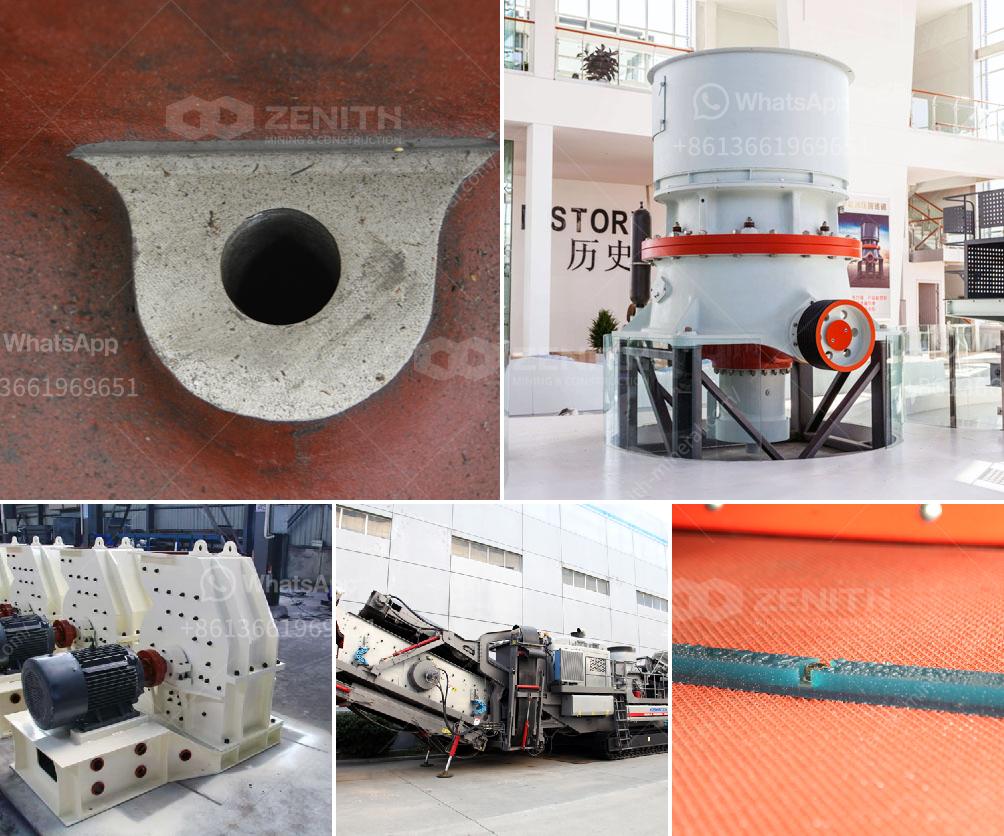
Once the pyrite is extracted, it is transported to a processing plant where it undergoes crushing and grinding. This reduces the ore to smaller particles, making it easier to handle and process.
The crushed ore is then subjected to concentration processes to separate the pyrite from other minerals. Common methods include:
In some cases, the concentrated pyrite is roasted in the presence of oxygen. This process converts the pyrite (FeS₂) into iron oxide (Fe₂O₃) and sulfur dioxide (SO₂). The sulfur dioxide can be captured and used to produce sulfuric acid, a valuable industrial chemical.
The iron oxide produced from roasting can be further processed in a smelter to produce metallic iron. This involves heating the iron oxide with a reducing agent, such as carbon, to remove the oxygen and obtain pure iron.
Mining and processing pyrite generate waste materials, including tailings (the leftover material after the valuable minerals have been extracted) and slag (a byproduct of smelting). Proper waste management practices are essential to minimize environmental impact. This can include:
After mining operations are completed, the site must be rehabilitated to restore the environment. This can involve:
In summary, the mining and processing of pyrite involve a series of complex steps, from exploration and extraction to concentration and waste management. Each step requires careful planning and execution to ensure the efficient and environmentally responsible production of this valuable mineral.