Extracting gold from ore that contains lead is a complex process that involves several steps. Here’s an overview of the general steps involved in extracting gold from such ore:
1. Crushing and Grinding:
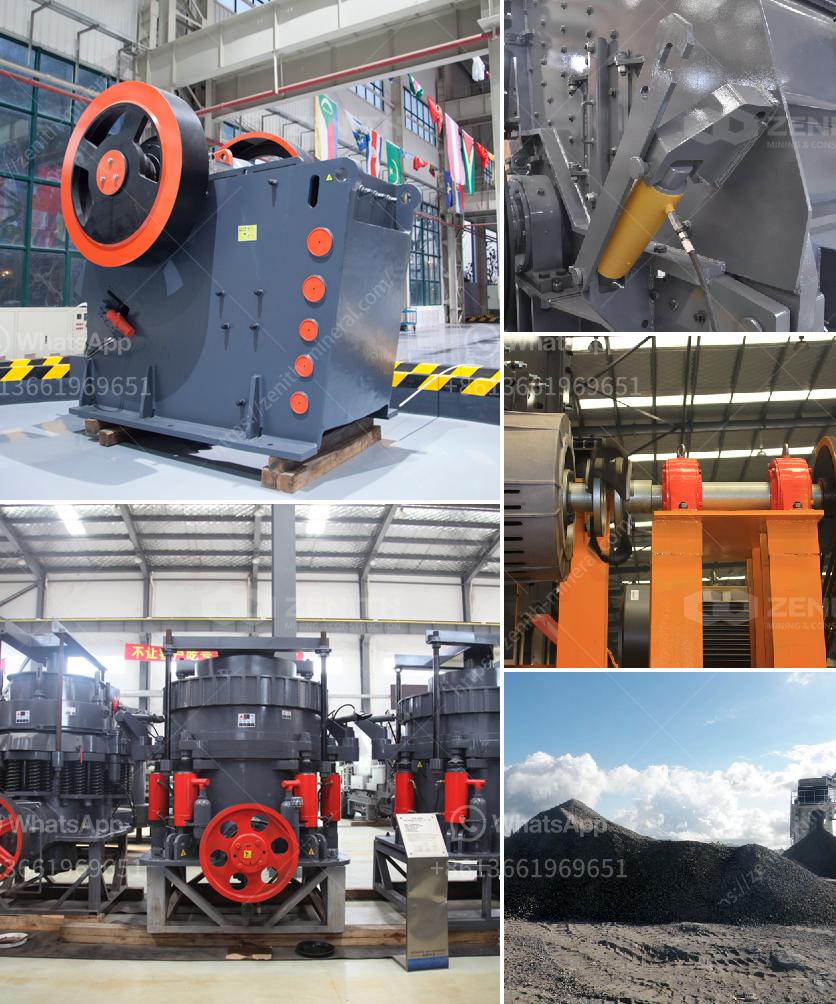
- Crushing: The ore is first crushed into small pieces.
- Grinding: The crushed ore is then grounded into a fine powder to increase the surface area for the extraction process.
2. Concentration:
- Gravity Concentration: This method separates the heavier gold and lead from the lighter materials through panning, sluicing, or shaking tables.
- Flotation: This process uses chemicals and air bubbles to separate the gold (and lead) from other ore substances.
3. Smelting:
- Roasting: The concentrated ore is heated in the presence of oxygen to remove sulfur and other impurities.
- Adding Flux: A combination of chemicals such as silica and borax is added to help form a slag with impurities that can be removed easily.
- Melting: The ore is melted in a furnace. During this process, lead smelting occurs, and lead collects at the bottom while other materials rise to the surface.
- Cupellation (for separating gold from lead): This involves heating the lead-gold mixture in a cupel (a porous container) to a high temperature. The lead oxidizes and is absorbed by the cupel, leaving behind pure gold.
4. Refining:
- Purification of the gold will then be needed. Methods such as the Miller process or the Wohlwill process, which involve chemical refinement, can achieve high purity levels.
Safety and Environmental Considerations:
- Use appropriate personal protective equipment (PPE).
- Ensure proper ventilation and handling of toxic substances.
- Follow environmental protection guidelines to prevent pollution and hazards.
This process requires specialized equipment and a good understanding of metallurgy and chemical reactions. Due to the involved hazards and technicalities, it's usually performed by professionals in a controlled environment.