

In ore beneficiation, classification refers to the process of separating particles based on their size, shape, and density to prepare the material for further processing. This step is crucial for increasing the efficiency of subsequent processes such as grinding, flotation, or leaching.
Here are the key steps involved:
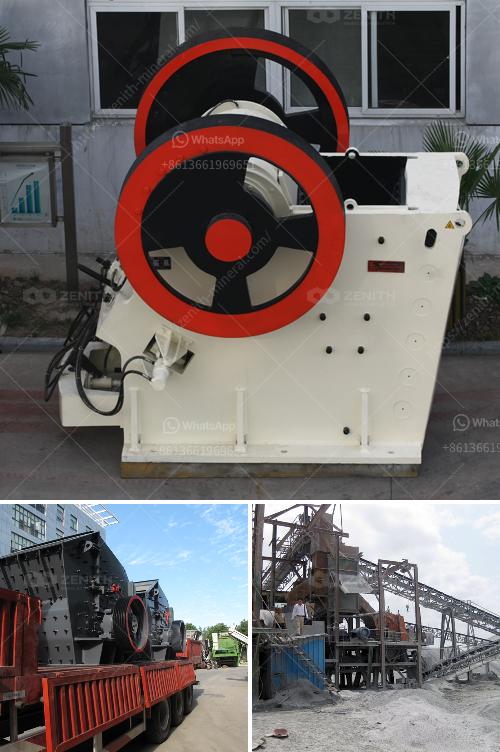
Crushing and Grinding: Ore is initially crushed and ground to break it into smaller, more manageable pieces.
Screening: The ground material is passed through screens to separate particles based on size. Large particles that do not pass through the screens are sent back for further grinding.
Hydrocycloning: This device uses centrifugal forces to classify particles. The slurry (a mixture of ore particles and water) is injected into a cyclone, where heavy particles settle and are discharged from the bottom, while lighter particles overflow from the top.
Spiral Classifiers: These are also used for size separation and involve flows of slurry in spiral-shaped channels. Coarser particles sink and move towards the bottom for further processing, while finer particles overflow.
Density Separation: This process involves separating particles based on density. Dense mediums such as ferrosilicon or magnetite can be used to create a medium with an intermediate density, allowing denser ore particles to sink and lighter waste material to float.
Sedimentation: This involves allowing particles to settle in a fluid, with the heavier, valuable particles settling faster.
Classification helps in improving both the efficiency and effectiveness of ore beneficiation by ensuring that only adequately sized and properly prepared materials are processed in subsequent steps, thereby conserving energy and maximizing recovery. Each classification technique may be used alone or in combination, depending on the nature of the ore and the specific requirements of the beneficiation process.