Sphalerite, primarily a zinc sulfide, is an important ore of zinc. Mining and processing sphalerite involve several stages:
Mining:
- Exploration and Extraction:
- Exploration: Geologists use various geological and geophysical techniques to locate ore deposits. Drilling samples help determine the extent and concentration of sphalerite.
- Open-pit or Underground Mining: Depending on the depth and location of the deposit, sphalerite can be mined via open-pit or underground methods. Open-pit mining is used for shallow deposits, while underground mining is more suitable for deeper deposits.
Processing:
-
Crushing and Grinding:
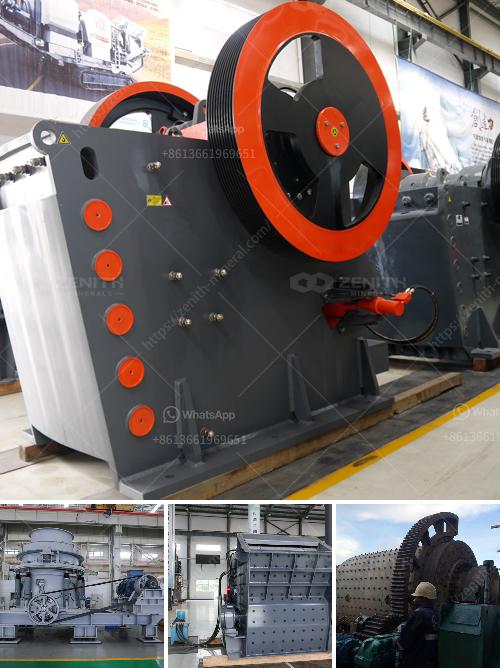
- The extracted ore is first crushed to break it into smaller pieces.
- The crushed ore is then ground into a fine powder to liberate the sphalerite particles from the surrounding waste rock.
-
Concentration by Froth Flotation:
- The ground ore is mixed with water to form a slurry.
- Chemical reagents are added to the slurry to make the sphalerite particles hydrophobic (repel water) while the waste rock remains hydrophilic (attracts water).
- Air is bubbled through the slurry, causing the hydrophobic sphalerite particles to attach to the bubbles and float to the surface, forming a froth that can be skimmed off.
-
Thickening and Filtration:
- The froth is then thickened to remove excess water.
- The concentrated sphalerite is filtered to produce a moist concentrate.
-
Roasting and Leaching (if needed):
- In some processing plants, the concentrate may be roasted to convert the zinc sulfide into zinc oxide.
- The zinc oxide can then be leached with sulfuric acid to produce zinc sulfate solution.
-
Electrowinning or Zinc Smelting:
- The zinc sulfate solution undergoes electrowinning, where an electric current is applied to deposit pure zinc onto cathodes.
- Alternatively, zinc can be produced by pyrometallurgical methods in which the concentrate is smelted and refined.
By-products and Waste Management:
- Sulfur and Cadmium Removal: Sulfur is often recovered as sulfuric acid. Cadmium and other impurities are removed to produce pure zinc.
- Environmental Controls: Mines and processing plants implement measures to manage waste rock, tailings, and emissions to mitigate environmental impact.
The exact methods and techniques can vary depending on the location, ore characteristics, and technological advancements in mining and metallurgy.