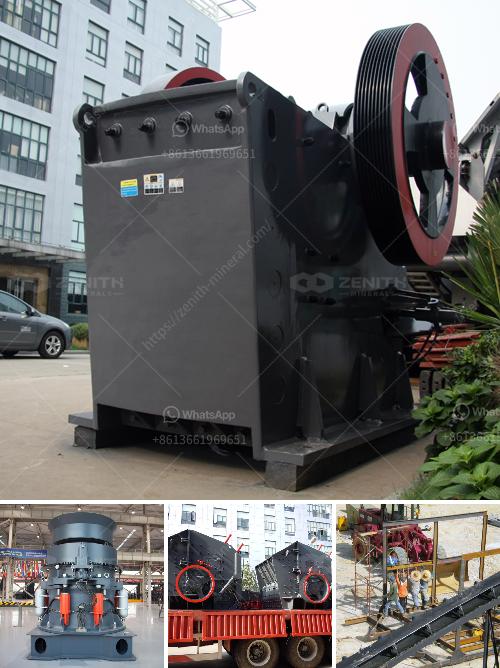
Maintaining the gauge for a jaw crusher is essential for ensuring optimal performance and longevity of the equipment. Here are some steps you can follow to maintain the gauge:
-
Regular Inspection:
- Conduct regular visual inspections of the gauge to check for wear, tear, or any signs of damage.
- Ensure the gauge is free from debris, dust, and material build-up.
-
Calibration:
- Calibrate the gauge periodically to maintain accuracy. Refer to the manufacturer's guidelines for the recommended calibration frequency.
- Use standard calibration equipment to ensure the readings are precise.
-
Lubrication:
- Keep the gauge mechanism well-lubricated to prevent rust and ensure smooth operation.
- Use the recommended type and amount of lubricant as per the manufacturer's instructions.
-
Cleanliness:
- Clean the gauge regularly to remove any accumulated dirt or debris.
- Use appropriate cleaning agents that will not damage the gauge components.
-
Handling:
- Handle the gauge carefully during operation and maintenance activities to avoid physical damage.
- Store the gauge in a dry, secure location when not in use.
-
Training:
- Ensure that all operators and maintenance personnel are adequately trained on the proper use and upkeep of the gauge.
- Provide refresher training sessions as needed to keep everyone up to date on best practices.
-
Documentation:
- Keep detailed records of all maintenance activities, including inspection dates, calibration results, and any adjustments made.
- Use these records to identify trends and potential issues before they lead to significant problems.
-
Replace Worn Parts:
- If parts of the gauge show signs of wear beyond acceptable limits, replace them according to the manufacturer's recommendations.
- Use genuine parts to ensure compatibility and reliability.
By following these steps, you can maintain the gauge for your jaw crusher effectively, ensuring reliable measurements and optimal crusher performance.