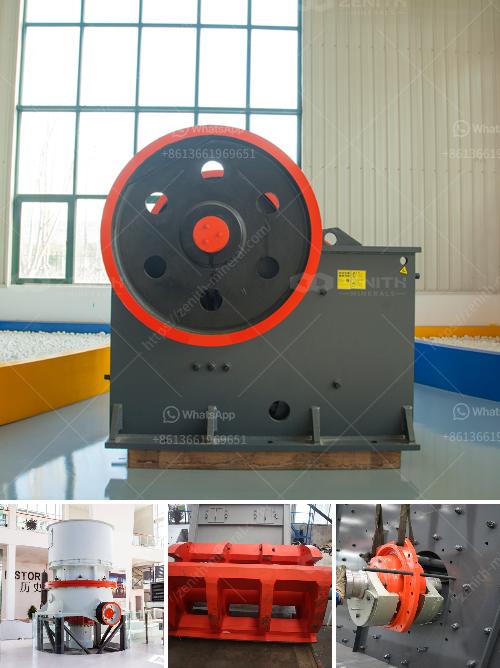
Maintaining a hammer crusher involves several key steps to ensure it operates efficiently and has a long service life. Here are some guidelines to help you maintain your hammer crusher effectively:
1. Regular Inspection
- Visual Inspection: Frequently inspect the crusher for any signs of wear and tear. Look for cracks, loose bolts, and other indications of potential issues.
- Check Components: Regularly review the condition of hammer heads, rotors, liners, and hammers. Replace any worn-out parts promptly.
2. Lubrication
- Lubricate Bearings: Ensure that all bearings are properly greased according to the manufacturer's recommendations. Overlubrication or underlubrication can lead to bearing failure.
- Oil Levels: Check hydraulic and lubrication oil levels regularly, and change oils as per the maintenance schedule.
3. Monitor Vibration
- Vibration Monitoring: Utilize vibration monitoring tools to identify abnormal vibrations early on. An increase in vibration can indicate issues with bearings, alignment, or imbalance.
- Balancing Rotors: Ensure that rotors are balanced correctly. Imbalanced rotors can cause excessive wear and damage.
4. Check Alignment
- Proper Alignment: Regularly check and align all parts of the crusher. Misalignment can cause uneven wear and tear, leading to premature failure.
- Shaft Alignment: Keep shafts in perfect alignment with each other to avoid undue stress on crusher components.
5. Screen Maintenance
- Screen Inspection: Regularly inspect the screen for any wear and damage. A compromised screen will affect the crusher's performance.
- Proper Tension: Ensure that screens are properly tensioned to avoid sagging or tearing.
6. Feed Control
- Uniform Feeding: Ensure that the material feed is consistent and uniformly distributed. Avoid feeding oversized material, which can cause blockages and damage the crusher.
- Prevent Overloading: Monitor and control the feed rate to prevent overloading the crusher.
7. Bolt Tightening
- Check Bolts: Regularly check and tighten all bolts and fasteners. Loose bolts can cause parts to loosen and affect the crusher's stability and performance.
8. Temperature Monitoring
- Monitor Temperature: Keep an eye on the operating temperature of motors and bearings. Excessive heat can indicate issues such as lubrication failure or overloading.
9. Cleaning
- Keep Clean: Regularly clean the crusher to avoid the buildup of dust and debris, which can affect performance and cause premature wear.
10. Systematic Documentation
- Maintain Records: Keep detailed maintenance records, including inspection reports, service history, and parts replacement. This can help in tracking issues and ensuring timely interventions.
11. Training
- Staff Training: Ensure that operators and maintenance personnel are properly trained in operating and maintaining the hammer crusher safely and effectively.
By adhering to these maintenance tips, you’ll be able to keep your hammer crusher in good working condition, minimize downtime, and extend its operational life. Always refer to the manufacturer's manual for specific maintenance guidelines and safety instructions.