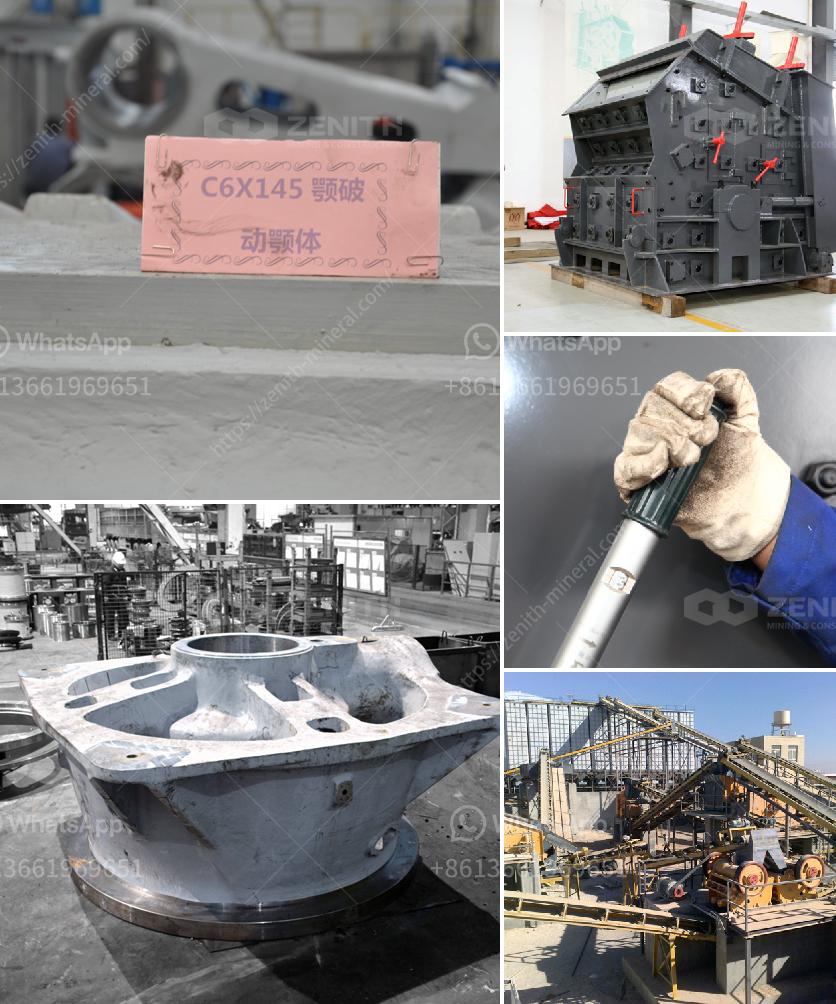
Ore processing, also known as ore beneficiation or mineral processing, involves a series of steps to extract valuable minerals from the ore. The process can vary depending on the type of ore and the desired end product, but generally, it includes the following steps:
-
Crushing and Grinding:
- Crushing: The ore is broken down into smaller pieces using crushers. This step is crucial to reduce the size of the ore particles and make them easier to handle.
- Grinding: The crushed ore is then ground into a fine powder using mills. This increases the surface area of the ore particles, which is important for the subsequent processing steps.
-
Screening and Classification:
- Screening: The ground ore is passed through screens to separate particles based on size. Larger particles are returned to the mill for further grinding.
- Classification: The ore is classified based on particle size using classifiers such as hydrocyclones or spiral classifiers. This helps in separating fine particles from coarse ones.
-
Concentration:
- Gravity Separation: This method uses the difference in density between valuable minerals and gangue (waste material) to separate them. Techniques include jigging, shaking tables, and spiral concentrators.
- Magnetic Separation: This method is used for ores that contain magnetic minerals. A magnetic separator is used to attract and remove magnetic particles from the ore.
- Froth Flotation: This is a widely used method for concentrating ores. The ore is mixed with water and chemicals to create a slurry. Air bubbles are introduced, and the valuable minerals attach to the bubbles and float to the surface, where they are skimmed off.
-
Dewatering:
- Thickening: The slurry is passed through thickeners to remove excess water. The thickened slurry is then further processed.
- Filtration: The thickened slurry is passed through filters to remove more water, resulting in a concentrate that is ready for further processing or sale.
-
Smelting and Refining:
- Smelting: The concentrate is heated in a furnace to extract the metal. This process involves chemical reactions that separate the metal from impurities.
- Refining: The extracted metal is further purified to remove any remaining impurities. This can be done through various methods, including electrolysis and chemical refining.
-
Tailings Management:
- The waste material (tailings) from the ore processing is managed to minimize environmental impact. This can involve storing the tailings in tailings ponds, dry stacking, or other methods to ensure safe disposal.
Each of these steps involves specific equipment and techniques, and the exact process can vary depending on the type of ore and the desired end product. The goal of ore processing is to maximize the recovery of valuable minerals while minimizing the environmental impact.