Pyrite, also known as "fool's gold" due to its metallic luster and pale brass-yellow hue, is a common sulfide mineral composed of iron and sulfur (FeS₂). The mining and processing of pyrite involve several steps, each of which is crucial to ensure the efficient extraction and utilization of this mineral. Here’s a detailed explanation of how pyrite is mined and processed:
Mining of Pyrite
-
Exploration and Prospecting:
- Geological Surveys: The first step in mining pyrite involves conducting geological surveys to locate pyrite deposits. This can include methods such as geophysical surveys, geochemical analysis, and drilling.
- Sampling: Once a potential deposit is identified, samples are taken to determine the quality and quantity of the pyrite. This helps in assessing the feasibility of mining the deposit.
-
Extraction Methods:
- Open-Pit Mining: For surface deposits, open-pit mining is commonly used. This involves removing the overburden (the soil and rock overlaying the mineral deposit) to access the pyrite ore.
- Underground Mining: For deeper deposits, underground mining methods are employed. This involves creating tunnels or shafts to reach the ore body. Techniques such as room-and-pillar or cut-and-fill mining may be used.
-
Blasting and Drilling:
- Drilling: Holes are drilled into the rock to place explosives.
- Blasting: Controlled explosions are used to break the rock into manageable pieces. This is followed by the removal of the broken rock, which contains the pyrite ore.
-
Transporting the Ore:
- The broken ore is transported from the mine to the processing plant. This can be done using trucks, conveyor belts, or rail systems, depending on the mine's infrastructure.
Processing of Pyrite
-
Crushing and Grinding:
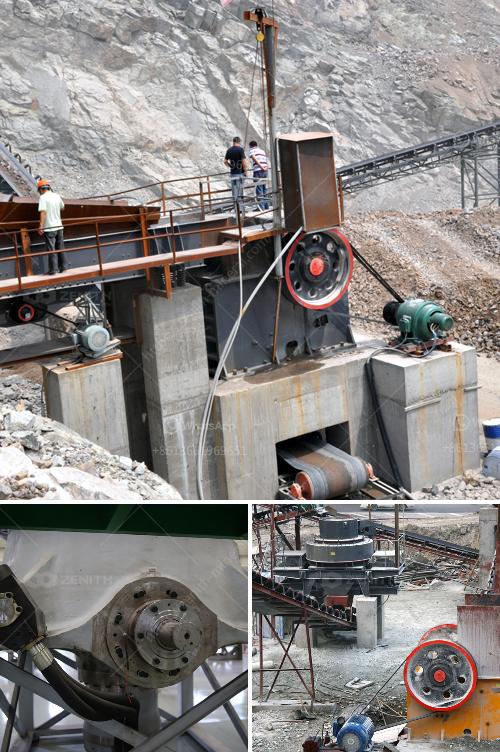
- Crushing: The ore is first crushed to reduce the size of the rock particles. This is typically done using jaw crushers or gyratory crushers.
- Grinding: The crushed ore is then ground to a fine powder using ball mills or rod mills. This increases the surface area of the pyrite, making it easier to process.
-
Concentration:
- Flotation: One of the most common methods for concentrating pyrite is froth flotation. In this process, the ground ore is mixed with water and chemicals to create a slurry. Air bubbles are introduced, and the pyrite particles attach to the bubbles and float to the surface, where they are skimmed off.
- Gravity Separation: In some cases, gravity separation methods such as jigging or shaking tables may be used to concentrate the pyrite.
-
Roasting:
- Oxidation: The concentrated pyrite is subjected to roasting, where it is heated in the presence of oxygen. This process converts the pyrite (FeS₂) into iron oxide (Fe₂O₃) and sulfur dioxide (SO₂). The sulfur dioxide gas can be captured and used to produce sulfuric acid, a valuable industrial chemical.
-
Leaching:
- Acid Leaching: In some cases, the roasted pyrite is further processed using acid leaching to extract any remaining valuable metals, such as gold or copper, that may be present in the ore.
-
Purification and Refining:
- The final step involves purifying and refining the extracted materials to produce the desired end products. This can include further chemical treatments, smelting, or electrolysis.
Environmental Considerations
- Waste Management: Mining and processing pyrite generate waste materials, including tailings and slag. Proper waste management practices are essential to minimize environmental impact.
- Acid Mine Drainage: Pyrite can contribute to acid mine drainage (AMD) when exposed to water and air, leading to the formation of sulfuric acid. This can have severe environmental consequences, so measures must be taken to prevent or mitigate AMD.
Applications of Pyrite
- Sulfuric Acid Production: One of the primary uses of pyrite is in the production of sulfuric acid, which is a key industrial chemical.
- Gold Recovery: Pyrite is often associated with gold deposits, and it can be processed to recover gold.
- Semiconductors and Solar Cells: Pyrite has potential applications in the production of semiconductors and solar cells due to its semiconducting properties.
In summary, the mining and processing of pyrite involve a series of steps, including exploration, extraction, crushing, grinding, concentration, roasting, and refining. Each step is crucial to ensure the efficient and environmentally responsible extraction and utilization of this valuable mineral.