Extracting chromium from chromite ore involves several steps, primarily carried out in industrial settings. Here’s an overview of the process:
-
Mining and Concentration:
- Chromite ore (FeCr₂O₄) is mined from chromite deposits.
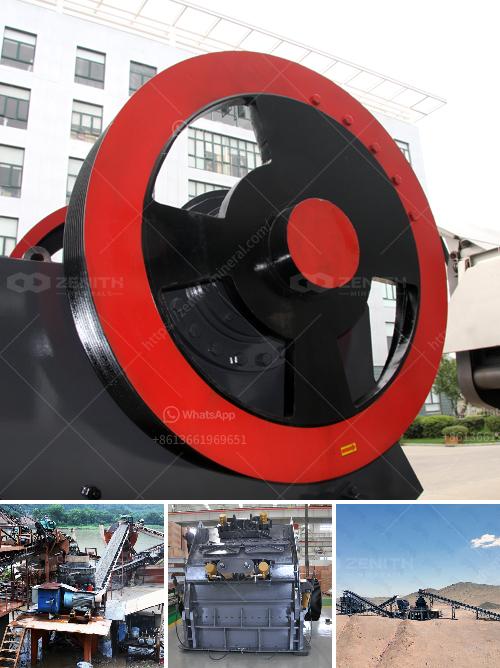
- The mined ore is then concentrated to increase the chromium content. This typically involves crushing the ore and using physical separation methods, such as gravity separation, to isolate the denser chromite mineral.
-
Roasting and Leaching:
- The concentrated ore is then roasted in the presence of an oxygen-rich environment to produce sodium chromate (Na₂CrO₄).
- The chemical reaction for roasting is:
\[ 4FeCr₂O₄ + 8Na₂CO₃ + 7O₂ \rightarrow 8Na₂CrO₄ + 2Fe₂O₃ + 8CO₂ \]
- The sodium chromate formed is then leached with water to dissolve it, leaving behind the iron oxide and other impurities.
-
Conversion to Sodium Dichromate:
- The sodium chromate solution is further treated with sulfuric acid (H₂SO₄) to convert it to sodium dichromate (Na₂Cr₂O₇).
- The reaction is as follows:
\[ 2Na₂CrO₄ + H₂SO₄ \rightarrow Na₂Cr₂O₇ + Na₂SO₄ + H₂O \]
-
Reduction to Chromium Trioxide:
- The sodium dichromate is then reduced to chromium trioxide (CrO₃) by reaction with a reducing agent, such as carbon or sulfur dioxide.
- For example:
\[ Na₂Cr₂O₇ + 2SO₂ + H₂O \rightarrow 2CrO₃ + Na₂SO₄ \]
-
Electrolytic or Aluminothermic Reduction:
- Finally, the CrO₃ can be reduced to pure chromium metal either through an electrolytic process or by aluminothermic reduction.
- In the electrolytic process, CrO₃ is reduced in an electrolytic cell to produce chromium metal.
- In the aluminothermic process, aluminum is used as the reducing agent:
\[ Cr₂O₃ + 2Al \rightarrow 2Cr + Al₂O₃ \]
Each step has been refined to optimize yield and purity, making the process both efficient and economically viable.