

Manufactured sand, also known as M-sand, is produced through a series of processes that involve the crushing and screening of rocks and stones to create fine aggregates that can be used in construction. The production of manufactured sand typically involves the following steps:
Selection of Raw Material: The first step in the production of manufactured sand is the selection of suitable raw materials. High-quality rocks, such as granite, basalt, or other hard stones, are chosen for their durability and strength. These rocks are usually sourced from quarries.
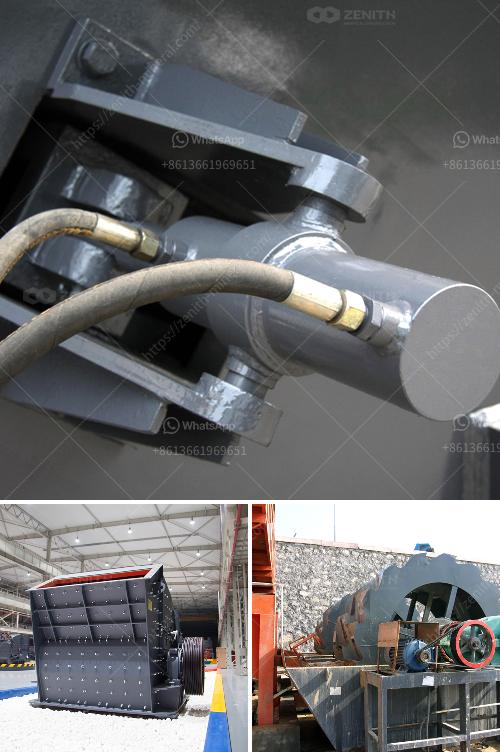
Crushing: The selected raw materials are then transported to a crushing plant. The crushing process involves several stages:
Screening: After crushing, the material is screened to separate the fine particles from the coarse ones. Screening involves passing the crushed material through a series of sieves or screens with different mesh sizes. The fine particles that pass through the screens are collected as manufactured sand, while the coarser particles are either recycled back into the crushing process or used for other purposes.
Washing: To remove any impurities, such as clay, silt, or dust, the manufactured sand is often washed. Washing involves using water to clean the sand particles and remove any unwanted materials. This step ensures that the final product is of high quality and suitable for use in construction.
Grading: The washed sand is then graded according to its particle size distribution. Grading ensures that the sand meets the specific requirements for different construction applications. The graded sand is typically classified into different categories, such as fine, medium, and coarse sand.
Storage and Transportation: The final step in the production process is the storage and transportation of the manufactured sand. The sand is stored in silos or stockpiles until it is ready to be transported to construction sites. Proper storage and handling are essential to maintain the quality of the sand and prevent contamination.
Manufactured sand is increasingly being used as a substitute for natural sand in construction due to its consistent quality and availability. It is commonly used in concrete production, asphalt mixing, and other construction applications where high-quality fine aggregates are required. The use of manufactured sand helps to reduce the environmental impact of sand mining and ensures a sustainable supply of construction materials.