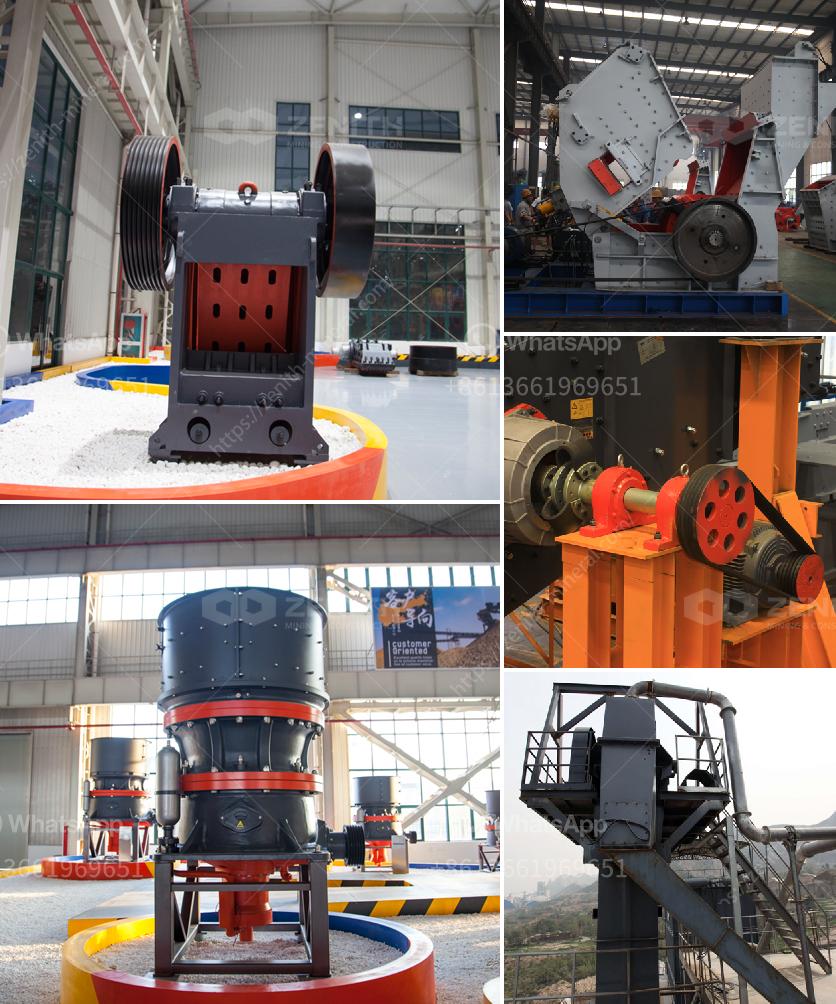
Processing gravel in Pakistan involves several steps similar to the procedures used worldwide, with some region-specific practices due to local conditions and equipment availability. Here are the general steps:
1. Extraction
- Site Selection: Choose a suitable location with abundant gravel deposits. Common sites include riverbeds, gravel pits, and natural stone quarries.
- Permits: Obtain necessary permits and adhere to environmental regulations and safety standards in Pakistan.
- Equipment: Use equipment like excavators, loaders, and bulldozers for gravel extraction.
2. Screening and Washing
- Screening: Use vibrating screens to separate gravel by size. Local suppliers in Pakistan can provide necessary equipment.
- Washing: Clean the gravel using water to remove impurities such as dust, silt, and clay. This is often done in a wash plant with rotating drums or screens.
3. Crushing (if necessary)
- Crushing Unit: For projects requiring smaller sizes or specific aggregate grades, use crushers (jaw crushers, cone crushers) to break down larger stones.
- Screening Post-Crushing: After crushing, re-screen the material to ensure it's the correct size.
4. Stockpiling and Storage
- Stockpiles: Organize the processed gravel into stockpiles based on size and type.
- Storage: Ensure proper storage to prevent contamination and degradation. Cover the stockpiles or store them in silos if necessary.
5. Quality Control
- Testing: Conduct regular tests to ensure the gravel meets the desired specifications. This may include sieve analysis, moisture content, and specific gravity tests.
- Certification: Obtain relevant certifications that comply with local building and construction standards.
6. Transportation
- Logistics: Use trucks or conveyor belts for transportation to the construction site or market.
- Routes: Plan efficient transportation routes to minimize costs and delivery time.
Local Considerations
- Market Demand: Understand the local market demand to produce gravel sizes in demand.
- Economic Factors: Factor in local economic conditions and costs of labor and equipment.
- Environmental Impact: Manage environmental impact according to local laws. This includes reforestation or land reclamation projects after gravel extraction.
Suppliers and Equipment
- Local Vendors: Procuring equipment from local vendors can save on costs and logistic hassles.
- Training and Maintenance: Ensure that operators are well-trained and equipment is regularly maintained for efficiency and safety.
Remember to always stay updated on any changes in regulations or industry standards that might affect gravel processing in Pakistan.