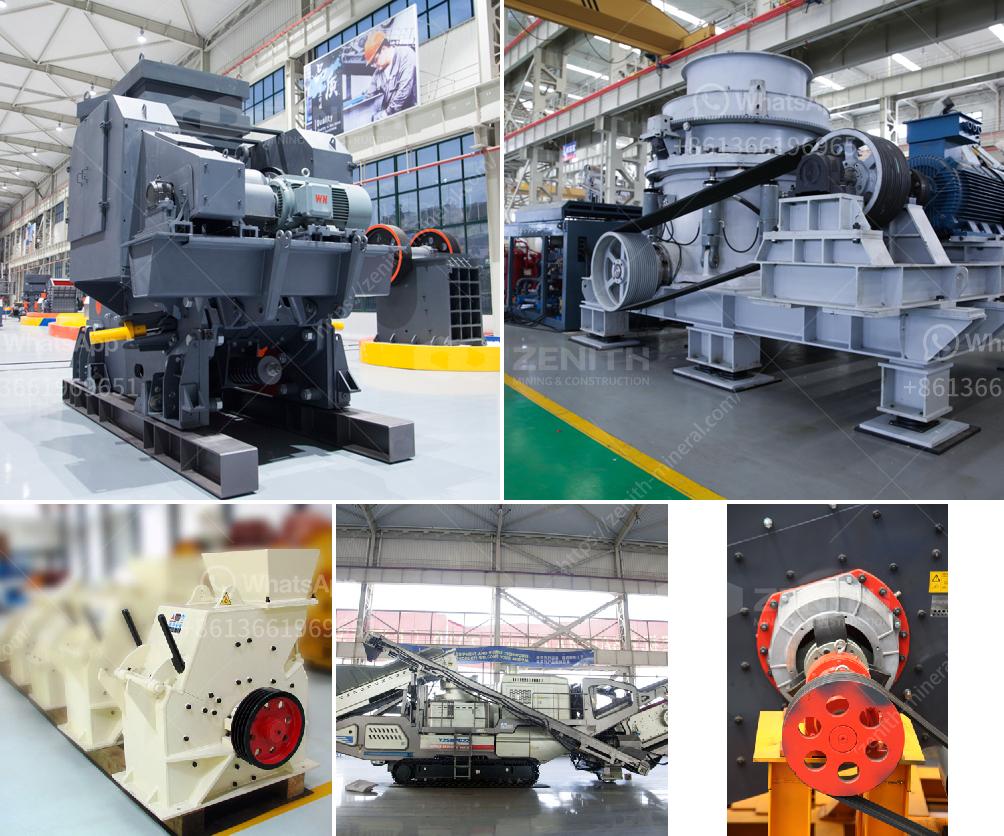
Building a cement plant is a complex and multifaceted process that involves several stages, each requiring careful planning, engineering, and execution. Below is a detailed guide on how to build a cement plant, covering all the essential aspects:
1. Feasibility Study and Planning
a. Market Analysis:
- Conduct a thorough market analysis to understand the demand for cement in the target region.
- Analyze the competition and identify potential market opportunities.
b. Site Selection:
- Choose a suitable location considering factors like proximity to raw materials (limestone, clay, etc.), transportation facilities, and availability of utilities (water, electricity).
- Ensure the site complies with environmental regulations and has the necessary permits.
c. Financial Planning:
- Estimate the total cost of the project, including land acquisition, construction, machinery, and operational costs.
- Secure funding through loans, investors, or other financial instruments.
2. Design and Engineering
a. Plant Layout:
- Design the layout of the plant, including the placement of raw material storage, production units, and finished product storage.
- Ensure efficient workflow and safety measures are incorporated into the design.
b. Equipment Selection:
- Choose the appropriate machinery and equipment for each stage of cement production, such as crushers, raw mill, kiln, clinker cooler, and cement mill.
- Consider the capacity, efficiency, and energy consumption of the equipment.
c. Engineering Design:
- Develop detailed engineering designs for civil, mechanical, electrical, and instrumentation works.
- Ensure compliance with industry standards and regulations.
3. Construction
a. Civil Works:
- Begin with site preparation, including leveling, excavation, and foundation work.
- Construct the main structures, such as raw material storage, preheater tower, kiln, and silos.
b. Mechanical Installation:
- Install the machinery and equipment as per the engineering design.
- Ensure proper alignment and calibration of the equipment.
c. Electrical and Instrumentation:
- Set up the electrical systems, including power distribution, control panels, and lighting.
- Install instrumentation for monitoring and controlling the production process.
4. Commissioning and Testing
a. Pre-Commissioning:
- Conduct pre-commissioning checks to ensure all systems are installed correctly and are operational.
- Perform dry runs of the equipment to identify and rectify any issues.
b. Commissioning:
- Start the production process and gradually increase the load to full capacity.
- Monitor the performance of the equipment and make necessary adjustments.
c. Quality Control:
- Implement a quality control system to ensure the cement produced meets the required standards.
- Conduct regular testing of raw materials, clinker, and finished cement.
5. Operations and Maintenance
a. Training:
- Train the plant personnel on the operation and maintenance of the equipment.
- Ensure they are familiar with safety protocols and emergency procedures.
b. Maintenance:
- Develop a maintenance schedule for regular inspection and servicing of the equipment.
- Keep spare parts inventory to minimize downtime in case of equipment failure.
c. Environmental Management:
- Implement measures to control emissions, manage waste, and minimize the environmental impact of the plant.
- Ensure compliance with environmental regulations and standards.
6. Continuous Improvement
a. Process Optimization:
- Continuously monitor the production process and identify areas for improvement.
- Implement process optimization techniques to enhance efficiency and reduce costs.
b. Technological Upgrades:
- Stay updated with the latest technological advancements in cement production.
- Upgrade the equipment and systems to improve productivity and sustainability.
c. Market Expansion:
- Explore opportunities to expand the market reach of the cement plant.
- Develop new products and diversify the product portfolio to meet changing market demands.
Building a cement plant is a significant investment that requires careful planning, execution, and management. By following these steps, you can ensure the successful establishment and operation of a cement plant.