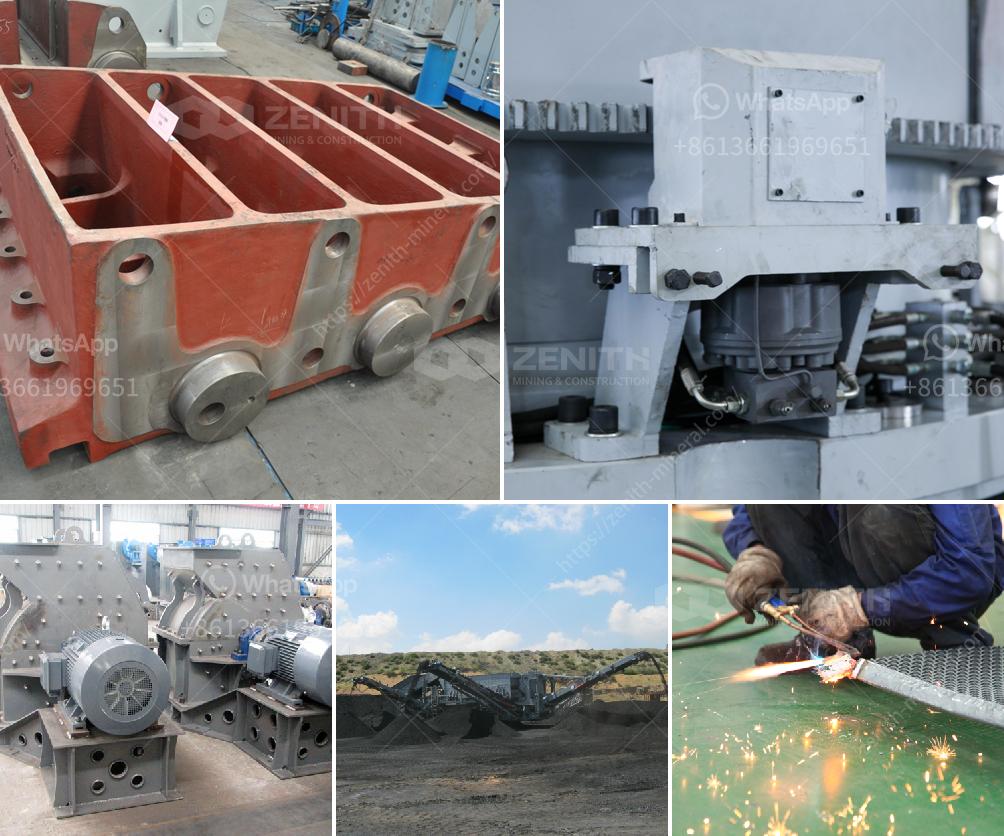
Running a crusher plant involves several steps and considerations to ensure efficient and safe operation. Here’s a detailed guide on how to run a crusher plant:
1. Planning and Setup
Site Selection and Preparation
- Location: Choose a site that is close to the raw material source to minimize transportation costs.
- Permits and Regulations: Obtain necessary permits and ensure compliance with local regulations regarding environmental impact, noise, and dust control.
- Infrastructure: Ensure the site has adequate infrastructure, including access roads, power supply, and water sources.
Plant Layout
- Design: Plan the layout of the plant to optimize the flow of materials and minimize bottlenecks.
- Equipment Placement: Position crushers, screens, conveyors, and other equipment to facilitate efficient operation and maintenance.
2. Equipment Selection and Installation
Crusher Types
- Jaw Crusher: Suitable for primary crushing of large rocks.
- Cone Crusher: Ideal for secondary and tertiary crushing.
- Impact Crusher: Used for producing finer materials and for recycling applications.
Auxiliary Equipment
- Screens: For separating different sizes of crushed material.
- Conveyors: For transporting materials between different stages of the crushing process.
- Feeders: To regulate the flow of materials into the crusher.
Installation
- Foundation: Ensure a solid foundation to support the heavy equipment and reduce vibrations.
- Alignment: Properly align all equipment to ensure smooth operation and reduce wear and tear.
3. Operation
Startup Procedures
- Pre-Start Checks: Inspect all equipment for any signs of damage or wear. Ensure all safety guards are in place.
- Lubrication: Check and top up lubrication systems to ensure smooth operation.
- Power Supply: Ensure a stable power supply to avoid interruptions.
Feeding the Crusher
- Material Size: Ensure the raw material is within the size range that the crusher can handle.
- Consistent Feed: Maintain a consistent feed rate to avoid overloading the crusher.
Monitoring and Control
- Control Systems: Use automated control systems to monitor and adjust the operation of the crusher.
- Performance Metrics: Track key performance indicators such as throughput, power consumption, and product size distribution.
4. Maintenance
Routine Maintenance
- Inspections: Conduct regular inspections to identify and address any issues before they lead to breakdowns.
- Wear Parts: Monitor and replace wear parts such as crusher liners and screens as needed.
- Lubrication: Regularly check and maintain lubrication systems.
Troubleshooting
- Common Issues: Be prepared to address common issues such as blockages, excessive vibration, and abnormal noise.
- Repairs: Have a plan in place for quick repairs to minimize downtime.
5. Safety
Training
- Operator Training: Ensure all operators are trained in the safe and efficient operation of the crusher plant.
- Emergency Procedures: Train staff on emergency procedures, including shutdown protocols and first aid.
Safety Measures
- Personal Protective Equipment (PPE): Ensure all personnel wear appropriate PPE, including hard hats, safety glasses, and hearing protection.
- Safety Guards: Keep all safety guards in place and ensure they are functioning properly.
6. Environmental Considerations
Dust Control
- Water Sprays: Use water sprays to suppress dust at key points such as the crusher feed and discharge.
- Dust Collectors: Install dust collection systems to capture airborne particles.
Noise Control
- Barriers: Use noise barriers to reduce the impact of crusher noise on surrounding areas.
- Equipment Maintenance: Keep equipment well-maintained to minimize noise levels.
7. Optimization
Process Optimization
- Data Analysis: Use data from control systems to identify areas for improvement.
- Process Adjustments: Make adjustments to the crushing process to optimize performance and reduce costs.
Energy Efficiency
- Energy Management: Implement energy management practices to reduce power consumption.
- Equipment Upgrades: Consider upgrading to more energy-efficient equipment.
By following these steps, you can ensure the efficient and safe operation of a crusher plant, while also minimizing environmental impact and maximizing productivity.