

Copper is extracted from underground ores through a series of complex processes. Here's a general overview of the steps involved:
Mining: The copper ore is usually mined through either open-pit or underground mining. In underground mining, tunnels are constructed to access the ore deposits.
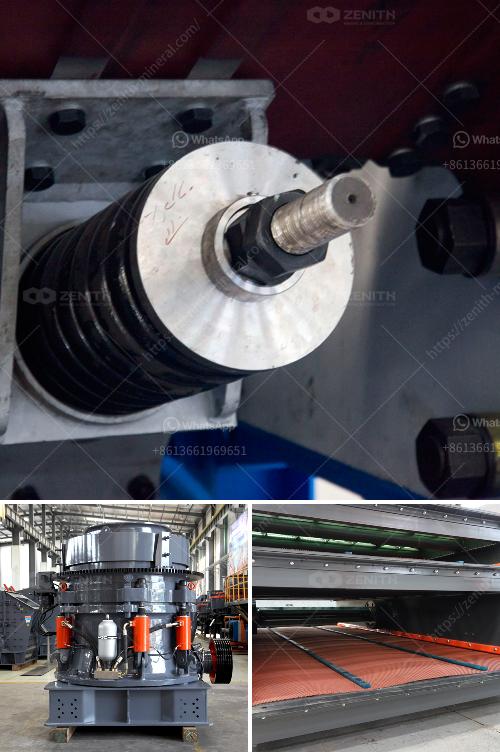
Crushing and Grinding: The extracted ore is transported to processing plants, where it is crushed into a fine powder to increase the surface area for the subsequent processing steps.
Concentration: The crushed ore is subjected to a process called froth flotation to concentrate the copper minerals. In this process, chemicals are added to the slurry (a mixture of ore and water), causing the copper-containing minerals to attach to bubbles and float to the surface. This froth is then skimmed off, and the remaining material is discarded as tailings.
Roasting: The concentrated ore is heated in air, which helps to remove sulfur and other impurities. This step is often necessary for sulfide ores and results in the formation of copper sulfide.
Smelting: The roasted ore is then melted at high temperatures in a furnace. During smelting, the copper sulfide is converted to copper oxide, which then reacts with silica and other materials in the furnace to form a slag that is less dense and separates from the molten copper. The molten copper that is collected at this stage is known as matte and is about 60-70% pure.
Converting: The matte is further processed through converting, where it is blown with air or oxygen to remove the remaining impurities and produce blister copper, which is about 98-99% pure.
Electrolytic Refining: The blister copper is cast into anodes and placed in an electrolytic cell. These anodes are submerged in an electrolyte solution, typically sulfuric acid and copper sulfate. Electrical current is passed through the solution, causing pure copper to deposit onto cathodes, while impurities either fall to the bottom as anode sludge or remain in solution.
Casting and Final Refinement: The pure copper plated onto the cathodes is then melted and cast into various shapes and forms, depending on industrial needs.
This series of steps transforms buried copper ores into refined copper ready for use in electrical wiring, plumbing, and various other applications.