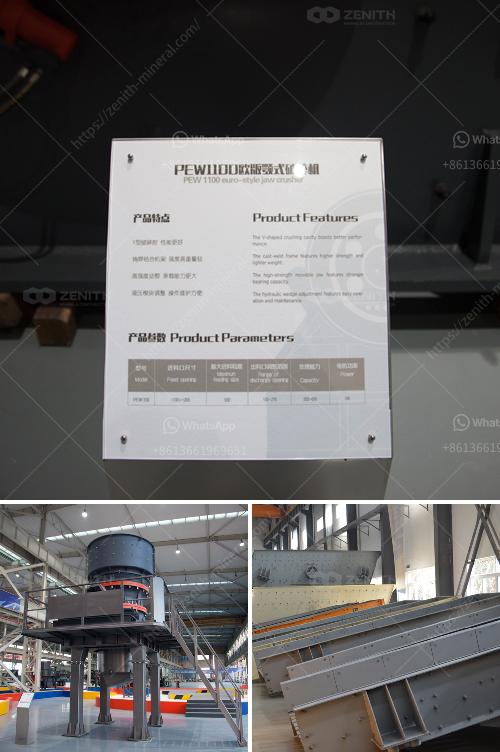
Deciding the width of the jaw crusher discharge opening is a critical aspect of the design and operation of a jaw crusher. The discharge opening determines the size of the material that will be produced by the crusher and can significantly impact the efficiency and effectiveness of the crushing process. Here are the key factors and steps to consider when determining the width of the jaw crusher discharge opening:
1. Material Characteristics
- Hardness: The hardness of the material being crushed will affect the required discharge opening. Harder materials may require a larger opening to prevent clogging and ensure smooth operation.
- Size Distribution: The size distribution of the feed material will influence the discharge opening. If the feed material has a wide range of sizes, a larger discharge opening may be necessary to accommodate the larger pieces.
2. Desired Product Size
- The desired size of the final product is a primary factor in determining the discharge opening. If a finer product is required, the discharge opening should be smaller. Conversely, for coarser products, a larger opening is suitable.
3. Crusher Design and Capacity
- Crusher Type: Different types of jaw crushers (e.g., single-toggle and double-toggle) have different design characteristics that can influence the discharge opening size.
- Capacity Requirements: The required capacity of the crusher will also impact the discharge opening. Higher capacity crushers may need a larger discharge opening to handle the increased volume of material.
4. Adjustment Mechanism
- Many jaw crushers come with an adjustable discharge opening mechanism. This allows operators to change the size of the discharge opening to suit different operational requirements. Understanding the adjustment mechanism and its range is crucial.
5. Operational Considerations
- Wear and Tear: Over time, the wear and tear on the jaw plates and other components can affect the discharge opening size. Regular maintenance and adjustments are necessary to maintain the desired opening size.
- Throughput: The throughput of the crusher, or the amount of material processed over a given time, can influence the discharge opening. Higher throughput may require a larger opening to prevent bottlenecks.
6. Manufacturer Recommendations
- Always refer to the manufacturer’s guidelines and recommendations for the specific jaw crusher model being used. Manufacturers provide detailed specifications and adjustment procedures for their equipment.
7. Testing and Calibration
- Conducting tests and calibrations can help determine the optimal discharge opening size. By running the crusher with different settings and analyzing the output, operators can find the best configuration for their specific needs.
Example Calculation
While I won't provide a specific code block unless requested, here's a general approach to calculating the discharge opening size:
- Determine the desired product size: For example, if the desired product size is 50mm, this will be a starting point.
- Consider the feed size and material characteristics: If the feed size is 200mm and the material is medium hardness, adjust accordingly.
- Adjust the crusher settings: Use the crusher’s adjustment mechanism to set the discharge opening to the desired size, considering the factors mentioned above.
- Test and refine: Run the crusher and measure the output. Adjust the discharge opening as needed to achieve the desired product size and throughput.
By carefully considering these factors and following a systematic approach, you can determine the optimal width of the jaw crusher discharge opening for your specific application.