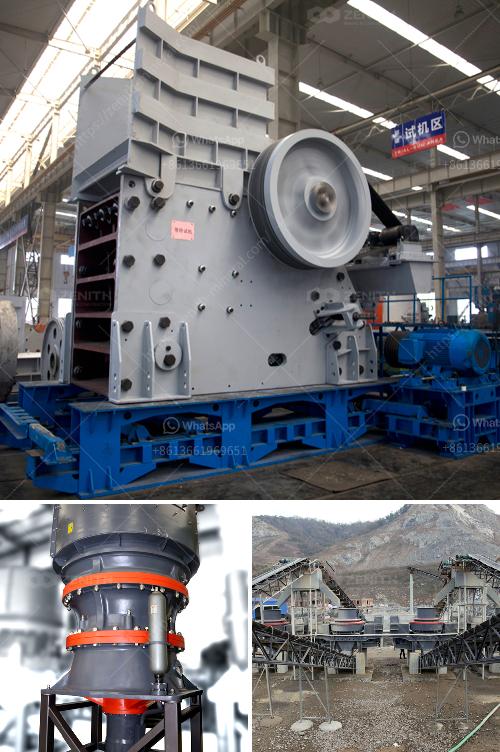
Installing a stone crusher involves several key steps to ensure correct and safe installation. Please bear in mind that the process can be complex and it is always recommended to refer to the manufacturer's manual or seek professional assistance for the installation. Below is a general guide:
Preparation
-
Select the Site:
- Choose a suitable location with a stable ground surface.
- Ensure there is enough space for operation and maintenance.
-
Obtain Necessary Permits:
- Verify local regulations and obtain any necessary permits or approvals.
-
Gather Required Tools and Equipment:
- You will need wrenches, screwdrivers, a level, measuring tape, and lifting equipment (crane or forklift).
Installation Steps
-
Foundation:
- Prepare a solid and stable foundation for the stone crusher. This may involve constructing a concrete base.
- Ensure the foundation is level and secure.
-
Positioning the Crusher:
- Use lifting equipment to position the stone crusher onto the foundation.
- Make sure it is aligned correctly according to the manufacturer's specifications.
-
Securing the Crusher:
- Anchor the stone crusher to the foundation using the provided bolts and nuts. Make sure to torque them according to the specified requirements.
-
Connecting Power Supply:
- Ensure the crusher is connected to a reliable power source with the correct voltage.
- Follow the electrical connections as instructed in the manufacturer’s manual.
-
Installing Conveyor Belts:
- Set up the necessary conveyor belts for feeding materials into the crusher and removing the crushed output.
- Adjust the belts to ensure they run smoothly and efficiently.
-
Lubrication and Testing:
- Lubricate all moving parts as per the manufacturer's guidelines.
- Conduct a thorough inspection to ensure all parts are installed correctly.
- Perform a test run to ensure the crusher is operating smoothly without any unusual noises or vibrations.
Final Steps
-
Safety Checks:
- Install safety guards and emergency stops.
- Train all personnel on the safe operation and emergency procedures.
-
Routine Inspection:
- Conduct regular inspection and maintenance to ensure long-term functionality and safety.
Final Note
Always adhere to the manufacturer’s installation guide and safety protocols. Improper installation can lead to equipment failure and safety hazards. If in doubt, consulting with a professional technician or engineer is highly recommended.