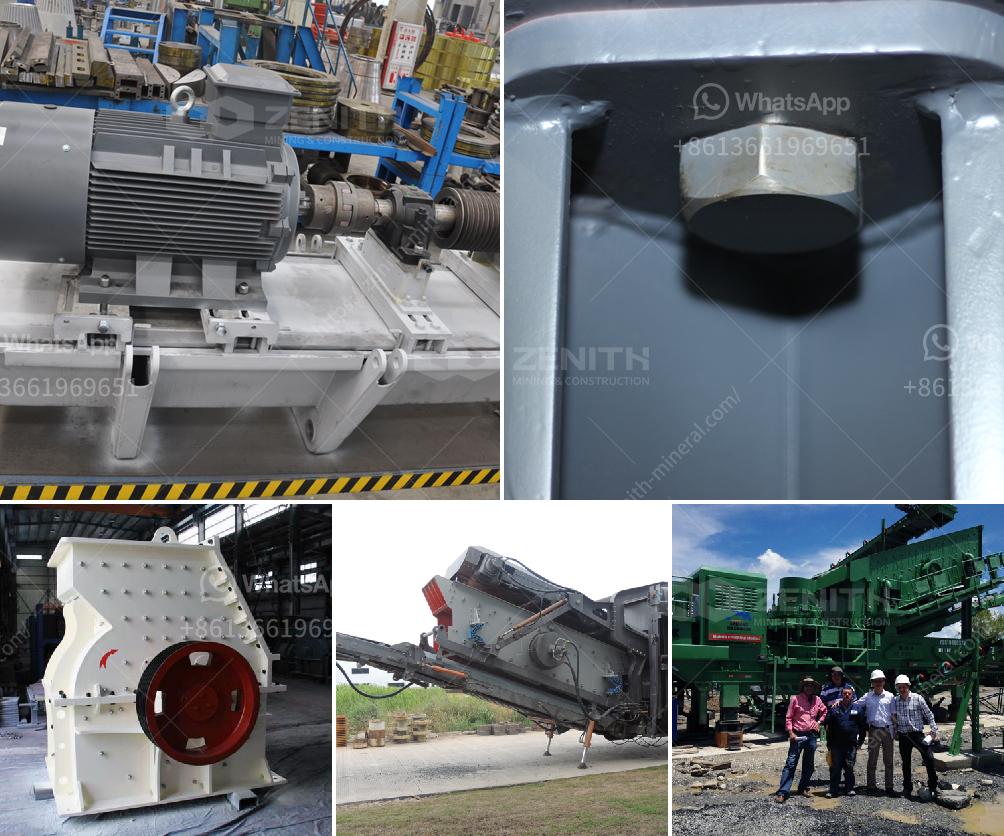


Choosing the best stone crusher for your needs involves considering several factors to ensure you select the most suitable equipment for your specific requirements. Here are the key aspects to consider:
Different stone crushers are designed to handle various types of materials. The hardness, abrasiveness, and moisture content of the material will influence the type of crusher you need. For example:
Determine the required production capacity, which is usually measured in tons per hour (tph). This will help you choose a crusher that can handle the volume of material you need to process. Overestimating or underestimating your capacity needs can lead to inefficiencies and increased costs.
The desired size of the output material will dictate the type of crusher and the settings you need. Crushers have different settings to produce various sizes of crushed material. Ensure the crusher you choose can produce the required size consistently.
Consider whether you need a stationary or mobile crusher. Mobile crushers offer flexibility and can be moved to different sites, which is beneficial for projects that require frequent relocation. Stationary crushers are typically more robust and can handle larger volumes but are fixed in one location.
Evaluate the cost of the crusher, including the initial purchase price, operating costs, maintenance, and potential downtime. It's essential to balance the upfront cost with the long-term operational costs to ensure you get the best value for your investment.
Choose a reputable manufacturer with a proven track record of producing reliable and durable crushers. Consider the availability of spare parts, the quality of customer support, and the warranty offered. Good after-sales support can significantly reduce downtime and maintenance costs.
Energy consumption is a critical factor, especially for large-scale operations. Opt for crushers that are energy-efficient to reduce operational costs and minimize environmental impact.
Select a crusher that is easy to maintain and has accessible parts. Regular maintenance is crucial for the longevity and performance of the crusher. Crushers with simple designs and fewer moving parts are generally easier to maintain.
Ensure the crusher has adequate safety features to protect operators and maintenance personnel. Features like emergency stop buttons, safety guards, and automated shutdown systems can prevent accidents and injuries.
Consider any specific requirements related to your application. For example, if you are processing recycled materials, you might need a crusher with a magnetic separator to remove metal contaminants.
By carefully evaluating these factors, you can choose the best stone crusher that meets your needs and ensures efficient and cost-effective operation.